Toxicology Section
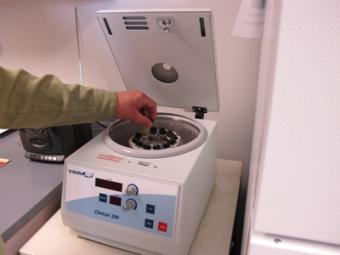
The Toxicology Section of the Nebraska State Patrol Crime Laboratory (NSPCL) tests for drugs and drug metabolites (chemical alteration of substances within the body which results in the formation of a metabolite that is excreted in the urine) from urine.
Title 177 Chapter 7 of the Nebraska Administrative Code, which is administered by the Department of Health and Human Services (DHHS) and can be found on their website, regulates Driving Under the Influence of Drug (DUI-D) analysis and specifies urine as the body fluid for testing in these cases.
Types of Cases:
- Driving Under the Influence of Drugs
- Drug Facilitated Sexual Assault (DFSA) cases when there is credible suspicion a victim was drugged. Note: The NSPCL cannot test for all possible substances which may be used in DFSAs.
What the section does not/cannot test:
- Blood for any substance including alcohol
- Alcohol from Urine
- Inhalants from urine
- Synthetic Cannabinoids from urine
- Urine from probation cases
What a forensic toxicologist can and cannot determine or testify to regarding identification of substances in urine:
- Can determine the subject ingested a substance at some point if the substance was
identified. - Can provide general information regarding the known effects of a particular drug.
- Cannot provide a time of ingestion
- Can offer general information regarding how long a substance can be detected in the urine after ingestion.
- Cannot provide information regarding impairment.
- Detection cannot say whether the individual was impaired by the substance at any time, this is true even when concentration is also determined.
- Prosecution of DUI-D cases should rely on observation of erratic driving and field sobriety or Drug Recognition Expert (DRE) evaluations with detection of the substance used as corroborating information.