Controlled Substances Section
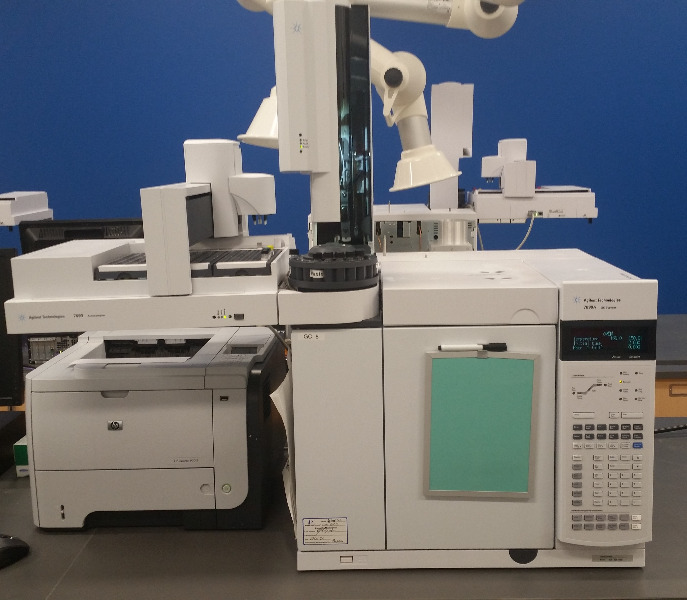
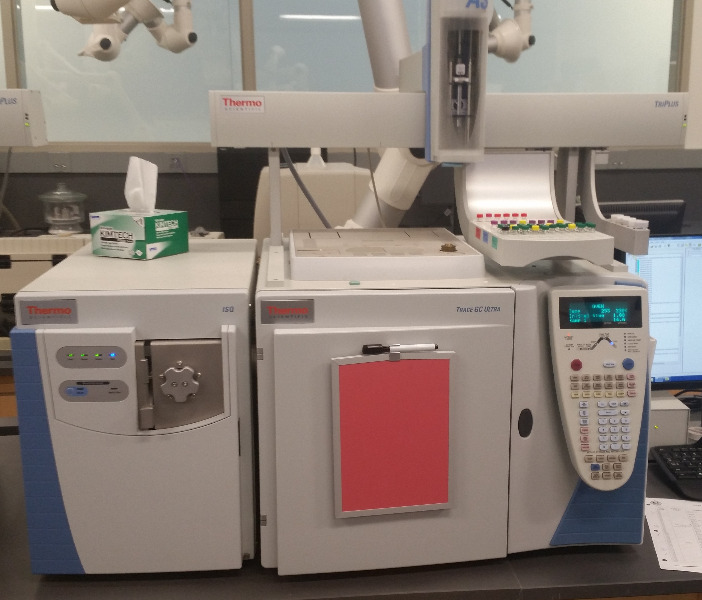
The Controlled Substances section of the Nebraska State Patrol Crime Laboratory (NSPCL) tests for the presence of controlled substances in multiple forms through the use of presumptive and confirmatory testing.
What we test:
- Powders and solids
- Residues (pipes, foil, straws)
- Liquids (e.g. syringe flushes and liquid pharmaceuticals)
- Plant material suspected to be marijuana*, psilocybin mushrooms, khat, or kratom
- Food products or edibles suspected to contain psilocybin (NOT THC)
- Clandestine tablets and capsules
- Pharmaceutical tablets and capsules (if imprint on tablet/capsule indicates they are controlled)
Additional testing:
- Quantitative (purity) analysis of methamphetamine when state or federal charges include weight enhancement.
- Purity analysis of other drugs is NOT offered at the NSPCL.
- *Semi-quantitative (1% THC Decision Limit) analysis of suspected marijuana plant material to determine whether the delta-9 THC level is above the 0.3% legally allowed for hemp. This testing is performed using gas chromatography post decarboxylation analysis. Charge must be at a misdemeanor or higher.
Crime Laboratory Syringe Submission / Testing Guidelines
Submission guidelines
- It is not acceptable to submit ANY hypodermic syringes to the NSP Crime Laboratory, with the exception of the screw off needle type with the needle entirely removed by unscrewing it from the syringe. It is NOT acceptable to "clip" off a needle.
- Any syringe received in the laboratory which is not of the screw off needle type will be returned to the submitting agency along with any evidence packaged with it.
- Although NOT recommended due to the extreme health risk involved (make sure to consult the testing guidelines prior to doing this):
- If a syringe has liquid in it, the liquid may be placed in a clean vial (red topped vacutainer tubes from a phlebotomy lab are recommended). The vial should be sealed and labeled as a biohazard.
- If the syringe contains no liquid, it is acceptable to rinse through it with a SMALL amount of rubbing alcohol (water is acceptable if alcohol is not available). Using large volumes of liquid dilutes the sample and makes analysis difficult. Place this liquid rinse in a vial as described above and submit it to the laboratory.
Testing guidelines
- Correctly submitted syringe liquids will ONLY be tested if:
- They are the only evidence in the case.
- The syringe was the probable cause for the search and this is CLEARLY INDICATED on the submittal form.
- Prosecution provides other acceptable justification directly to the laboratory.